

The safety or Our People and Our Customers is always a priority. It is everyone’s responsibility to not only drive safely, but also be aware of all other vehicles on the road with you. Road and motorcycle safety is an important topic, and we hope bringing awareness will help you understand the steps YOU can take to share the road safely.
Road and Motorcycle Safety
Sharing the Road Responsibly
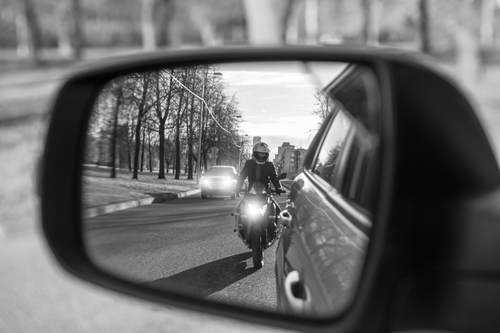
Motorcycles are smaller and less visible than other vehicles, which increases their risk on the road. To help keep both drivers and riders safe, remember the SHARE approach:
S – See Motorcycles
Motorcycles can be easy to miss. Look twice, especially at intersections and
when changing lanes.
H – Have Patience
Give riders space and time. Avoid aggressive driving and never crowd a
motorcycle’s lane.
A – Always Follow the Law
Obey speed limits and all traffic laws. Consistent, lawful driving helps
protect everyone.
R – Ride & Drive Sober
Alcohol and drugs impair your ability to react. Always stay sober behind the
wheel or handlebars.
E – Eliminate Distractions
Keep your focus on the road. Phones, food, and other distractions can wait.
Visit the National Highway Traffic Safety Administration (NHTSA) website for more
information about sharing the road responsibly.
From pedestrians to all ages of drivers and riders, this site offers information and tips for staying safe on our roadways.
Safe Motorcycling
Riding a motorcycle is different than driving a car and staying safe on your motorcycle requires balance, coordination, and good judgement.
It is recommended that all riders take motorcycle education and training courses to learn basic riding skills and how to stay safe in traffic.Before each ride, check that your tires, controls, lights, and signals are functioning properly.
Motorcycle laws vary by state, but whether required
by law or not, when riding you should ALWAYS wear personal protective
gear, including:
- DOT-compliant motorcycle helmet
- Riding jacket and padded gloves
- High-visibility/reflective vest
- Weatherproof, lightweight boots
- Earplugs
To help keep yourself safe, always maintain awareness of other vehicles on the road and assume they don’t see you.
IMPORTANT: Please remember that intersections can be especially dangerous for motorcycle riders. When motorcycling, be sure to follow these three steps when you approach intersections:
Search for hazards
- Other motorists
- Road debris, imperfections, or contaminants
- Unusual situations
Evaluate hazards
- What do you see
- How can you avoid the hazard
Execute your avoidance plan
- Change position (within your lane or change lanes)
- Adjust your speed
- Maximize your visibility
- Signal your intentions to other motorists
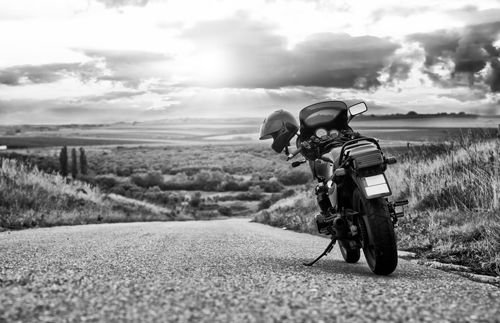
Visit the National Highway Traffic Safety Administration’s (NHTSA) website for tips on choosing the right motorcycle helmet.
Search on the Motorcycle Safety Foundation website for motorcycle riding courses near you. Check with your insurance company about discounts for completing certifications.